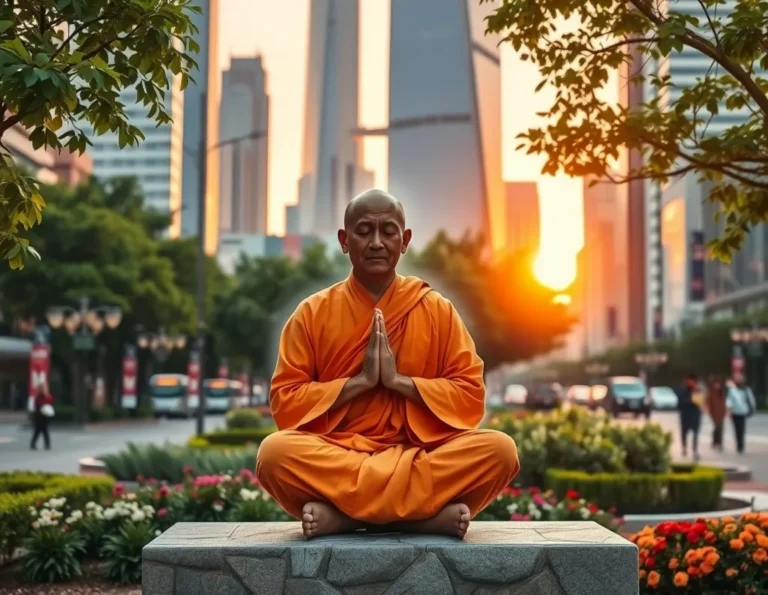
🧠Jnana Yoga is the ancient yogic path of wisdom and direct realization.
🧘♀️ Jnana Yoga is the ancient yogic path of wisdom and direct realization.
🌱Through deep questioning, it guides us beyond illusion to pure Self-awareness.
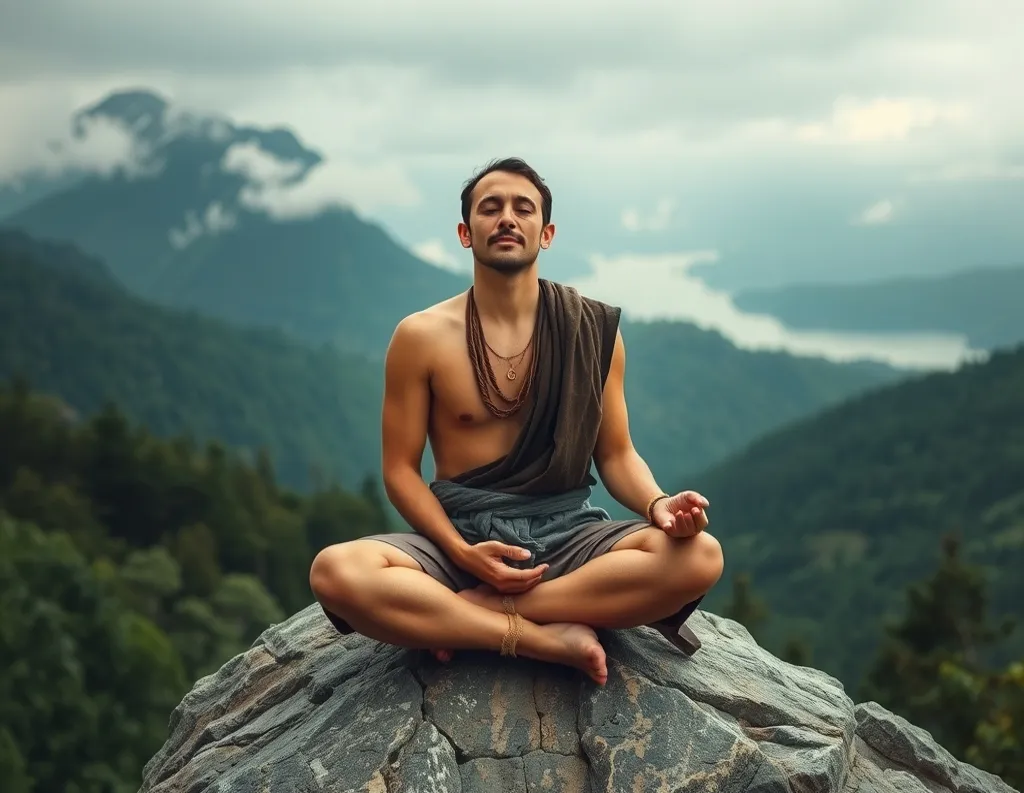
🪷 Whether you’re a seeker or skeptic, Jnana Yoga invites you to inquire: Who am I, really?

📜 The Meaning of Jnana Yoga in the Yogic Tradition
In Sanskrit, Jnana (ज्ञान) means wisdom or spiritual knowledge. Jnana Yoga is the path of self-realization through direct insight and inquiry—seen in texts like the Upanishads, Bhagavad Gita, and taught by sages like Ramana Maharshi and Adi Shankaracharya.
“Real knowledge is not grasping more—but letting go of falsehood.”
— Bhagavad Gita 4.38
🧘♂️ Atma Vichara (Self-Inquiry) is its core practice—asking “Who am I?” until the mind dissolves into awareness.
|
🕉️ Ancient Insight |
💼 Modern Relevance |
|---|---|
|
The Self is not the body or mind |
You’re not your job title, roles, or identity |
|
Knowledge removes illusion (maya) |
Awareness helps you break patterns of stress & false narratives |
|
Liberation is recognizing the Self as one |
Liberation is recognizing the Self as one |
💖 Jnana Path vs Bhakti Path – What’s the Difference?
|
Path |
Jnana Yoga |
Bhakti Yoga |
|---|---|---|
|
Focus |
Wisdom & Self-Inquiry |
Love & Devotion |
|
Tools |
Questioning, Reflection, Silence |
Chanting, Prayer, Surrender |
|
Final Goal |
Self-realization (Aham Brahmasmi) |
Union with the Divine through the heart |
🧘♀️ Integration Tip: You don’t have to choose. Many blend Bhakti and Jnana: let love fuel wisdom and wisdom guide love.
🛠️ Jnana Yoga Tools You Can Try
🌍 Wisdom Paths Beyond Borders
Though rooted in the Vedas, Jnana Yoga shares themes with many wisdom traditions:
|
Tradition |
Self-Inquiry Practice |
|---|---|
|
Sufism |
“Who am I, beneath the veil?” |
|
Buddhism (Zen) |
“Die before you die”—a dismantling of ego through divine remembrance |
|
Christian Mysticism |
Koan practice: “What is your original face?” |
|
Stoicism |
Reason & detachment from ego for peace |
📰 Insights on Karma & Jnana Yoga
Discover blog posts, real-life applications, and Gita-based practices to help integrate Sattvic work into your career and lifestyle.
-
Ancient Wisdom for a Modern World: Where They Align
Eastern philosophies like Vedanta offer clarity in today’s chaos. From mindfulness to meaning—discover where old and new converge.
-
Who Was Ramana Maharshi? A Modern Introduction
Through silence and the question “Who am I?”, he pointed to your true Self. Let’s meet the Arunachala saint who taught non-duality through stillness.
-
What Is Non-Duality in Simple Terms?
Non-duality means there is no true separation—everything is One. It’s not just philosophy—it’s a shift in how you see reality.