
🧠 How Meditation Affects the Brain
🧘♀️Meditation is more than relaxation—it actively rewires the brain, influencing areas responsible for stress, memory, and emotion.
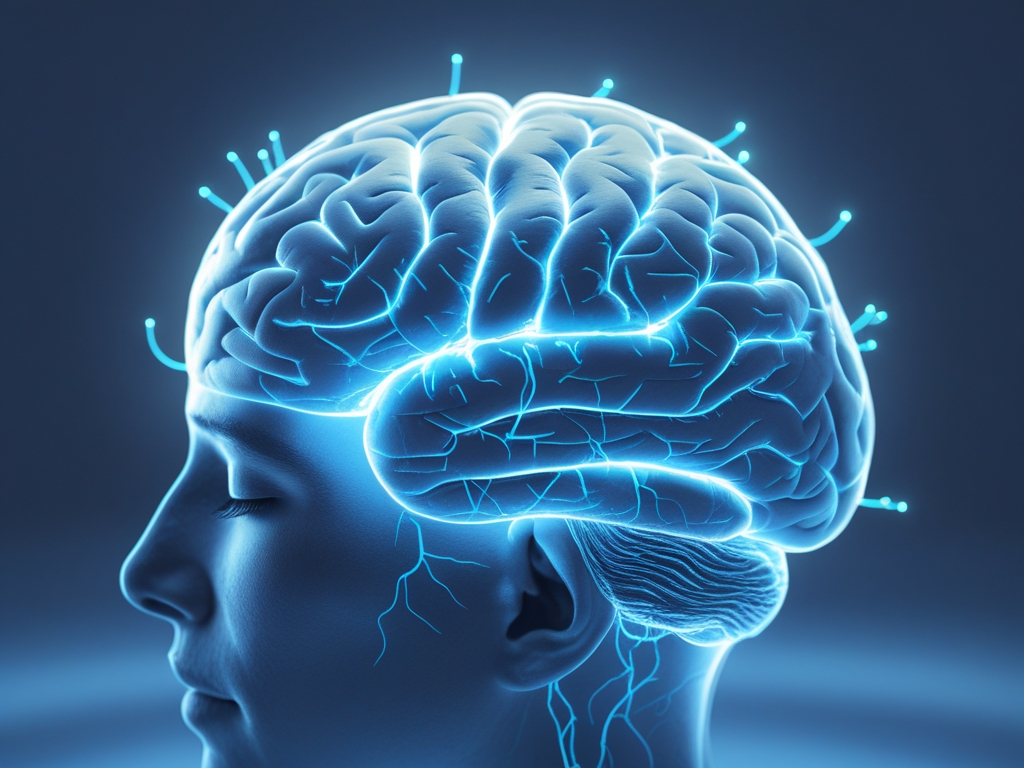
☯️ Whether you’re looking to boost focus, reduce anxiety, or enhance resilience, mindfulness literally builds a better brain.
🧬 Meditation Meets Neuroscience: A Brain-Changing Practice
Modern neuroscience confirms what ancient yogis knew—meditation changes the brain. Functional MRI (fMRI) and EEG scans show that mindfulness reshapes brain regions like:
🌿 Discover the Power Behind Each Practice
Explore how each guided meditation style heals, restores, and uplifts
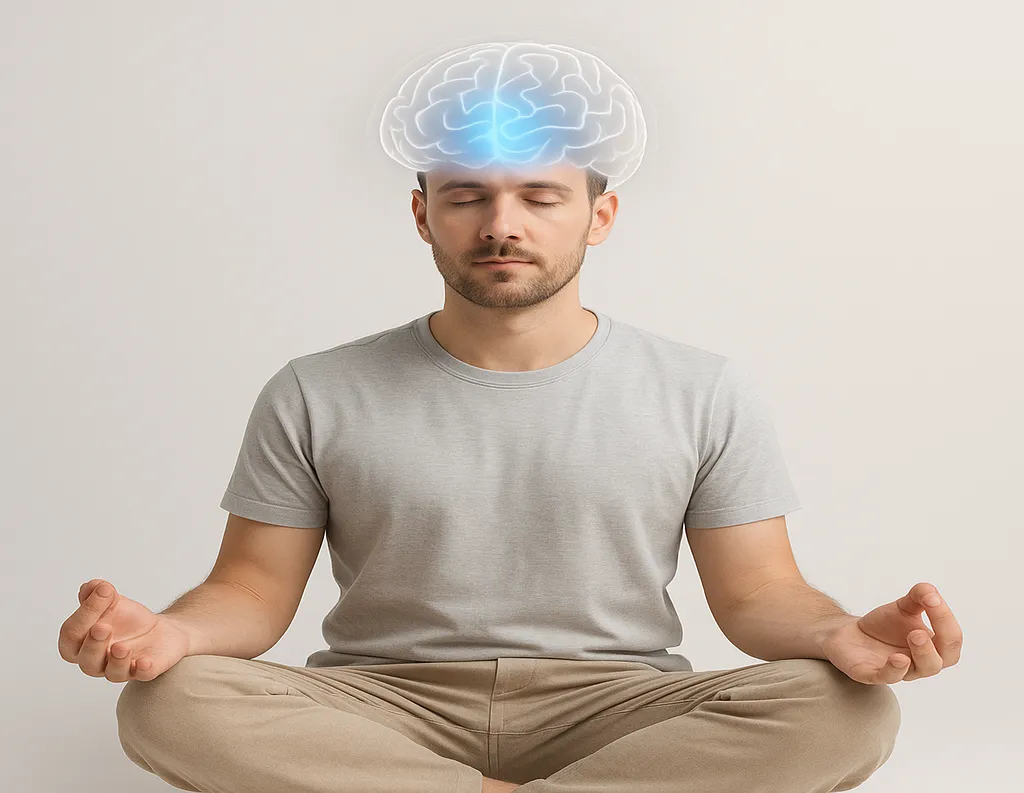
🧠 Prefrontal Cortex
|
Function |
Planning, attention |
|
Meditation Impact |
Thicker, more active – improves focus |
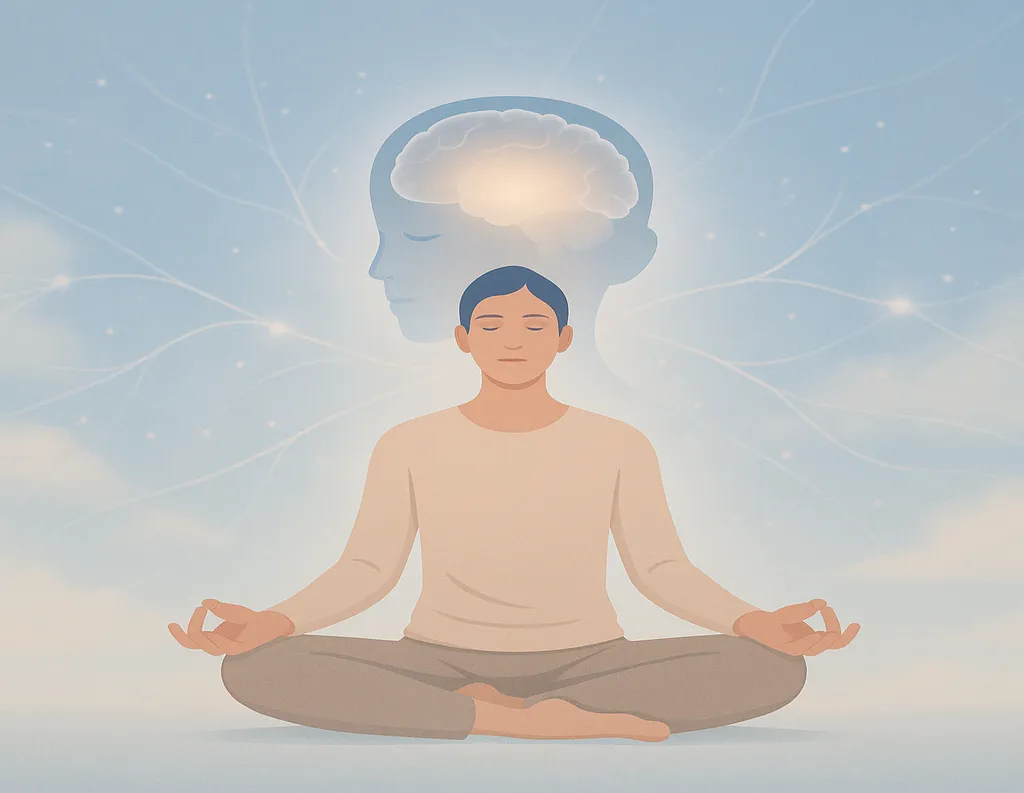
🛑 Default Mode Network
|
Function |
Self-talk, distraction |
|
Meditation Impact |
Less activity – quiets overthinking |
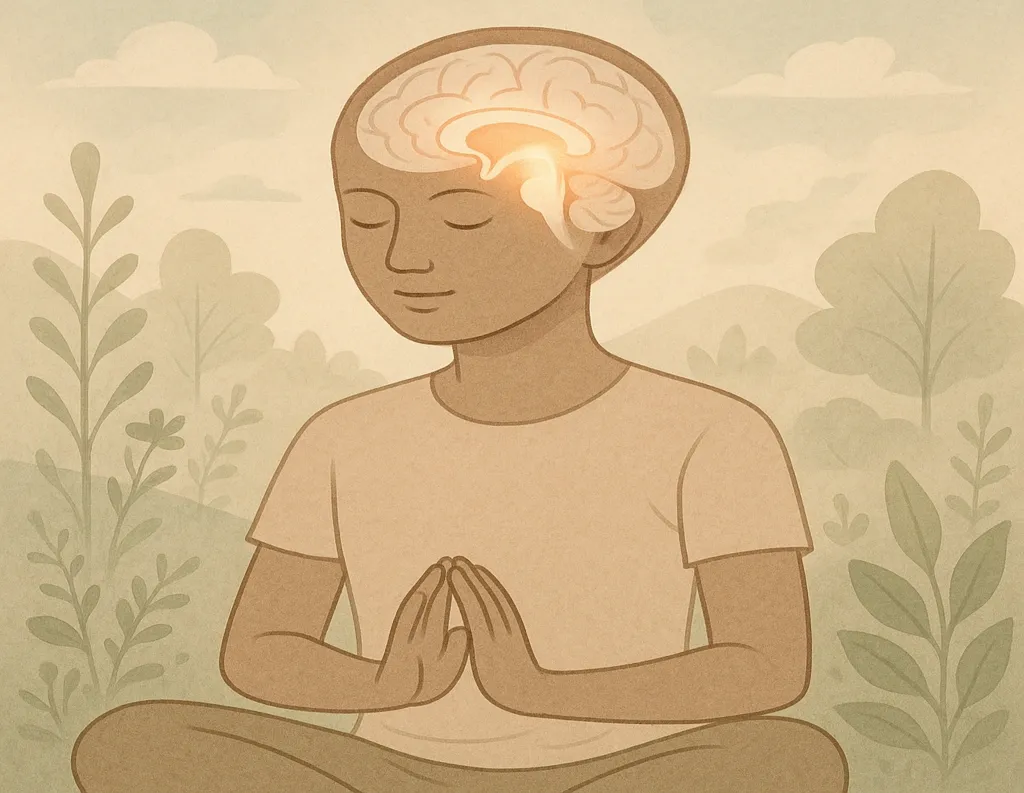
🐘 Hippocampus
|
Function |
Memory, emotion |
|
Meditation Impact |
Increased gray matter – better recall |
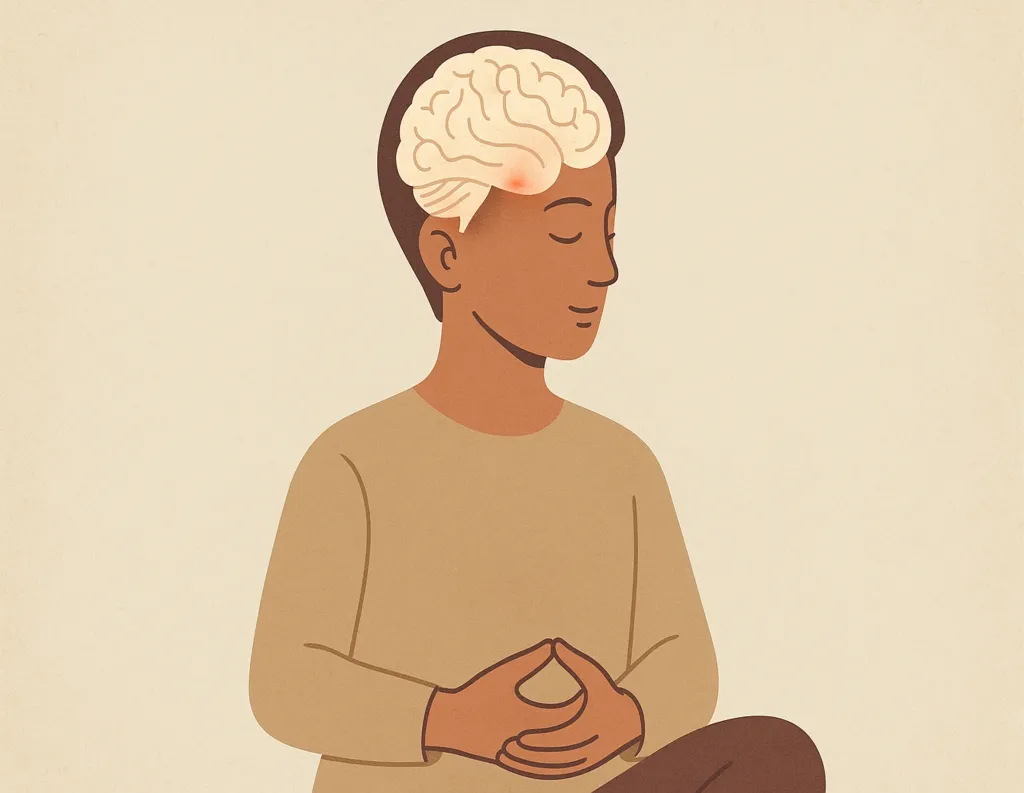
🔥 Amygdala
|
Function |
Fear, anxiety |
|
Meditation Impact |
Shrinks – lowers reactivity and stress |
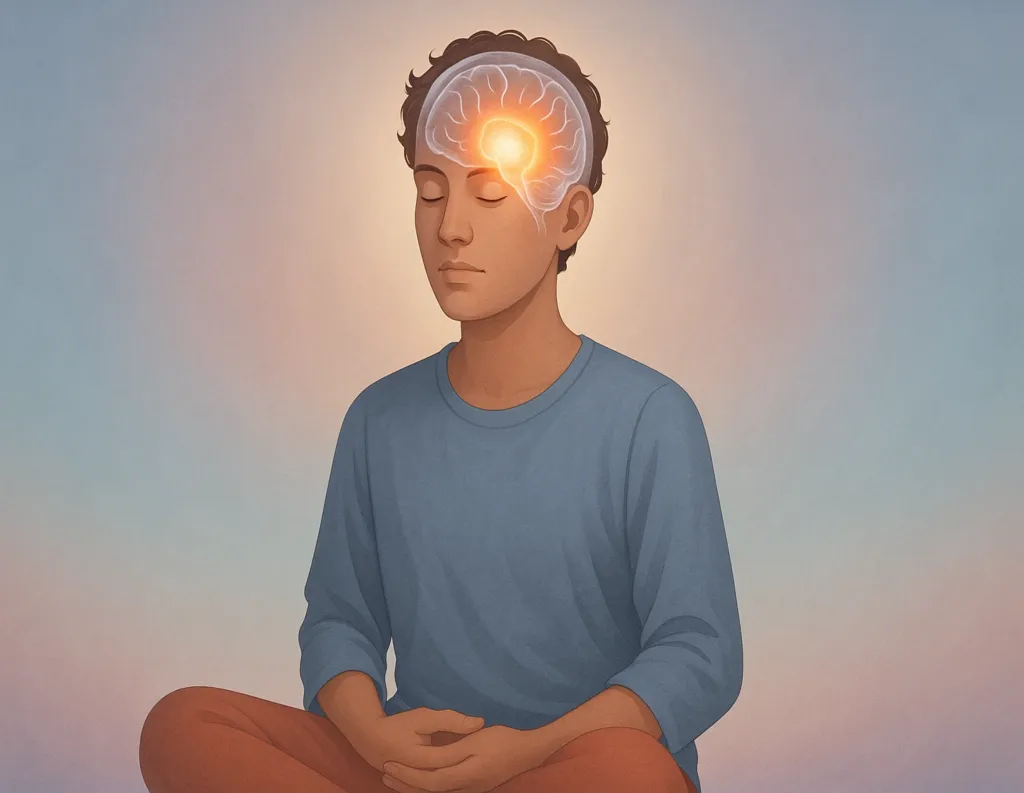
🪶 Insula
|
Function |
Body awareness |
|
Meditation Impact |
Heightened – more connected to sensations |
🧪 What Happens in Your Brain During a 10-Minute Meditation?
During even a short session, the brain enters a unique pattern:
🎧 Want to try it? Begin with our Guided Meditation Library.
💡 Why Meditating Daily Builds a Better Brain
🌿 Strengthen the Brain, Nourish the Soul
Your Brain meditation works best when supported with holistic practices like:
You can combine it with our🍲Sattvic Food which supports neurochemistry and mental clarity. and 🕊️Spiritual Growth which guides your mind toward positive mental states.
📰 Journal on Various Meditation Techniques
Explore more beginner-focused posts on how mantra vibrations heal, how neuroscience of meditations improve your rest, and how short practices boost clarity.
-
What Is a Sattvic Diet?
Sattvic food is clean, fresh, and naturally energizing. Rooted in ancient yogic wisdom, the sattvic diet promotes mental clarity.
-
Why Evening Routines Matter?
Your day doesn’t truly end until your nervous system settles—evening yoga benefits go beyond the mat.
-
What Is a Sattvic Morning?
A Sattvic morning routine begins before sunrise—aligning your body, breath, and mind with nature’s purest vibration.