

Best Cookware for Health and High Prana Foods
✅ Cookware That Nourishes – High prana foods deserve cookware that preserves their natural vitality. Clay, iron, and stainless steel are the three sattvic-friendly pillars.
✅ Why It Matters – Toxic coatings or reactive metals can leak into meals. Choosing safe, non-toxic cookware ensures purity, digestion harmony, and long-term wellness.
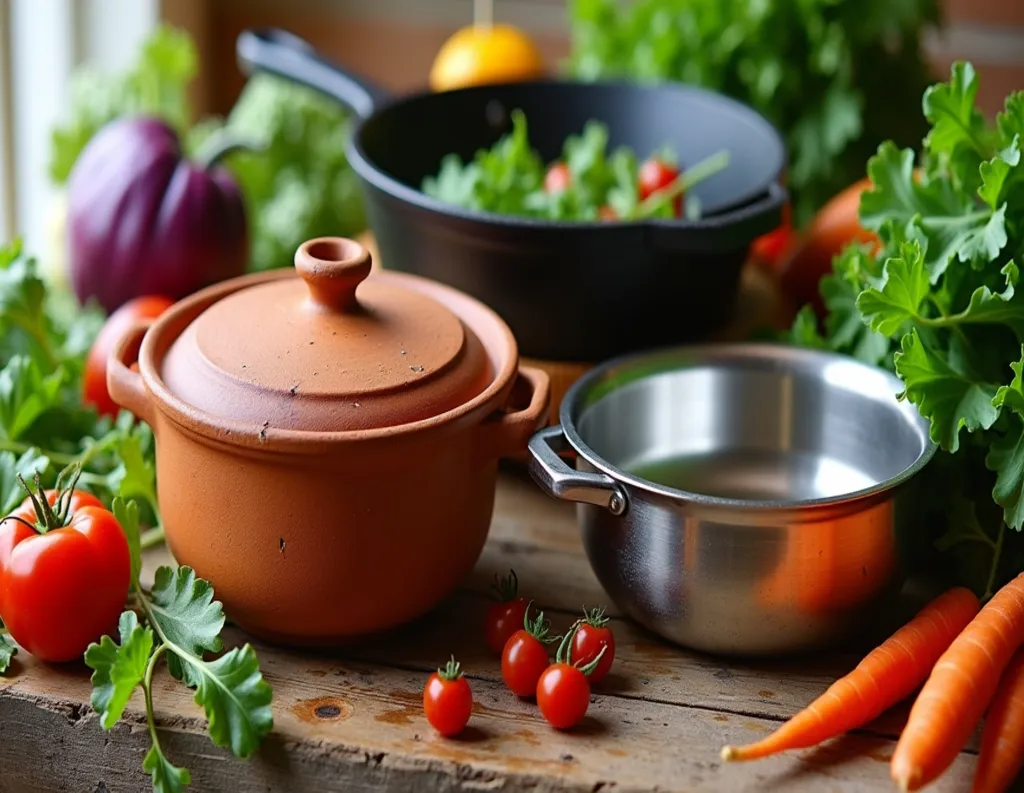
✅ From Traditional to Modern – Clay pots for slow-cooked depth, iron for fortification, stainless steel for daily versatility—build a set that suits both heritage and convenience.
Materials Deep-Dive
|
Material |
Pros |
Cons |
Best Use |
Care Tips |
|---|---|---|---|---|
|
Clay (Lead-Free) |
Breathable, retains prana, slow-cooked flavor |
Fragile, heavier, requires seasoning |
Lentils, curries, rice, yogurt |
Season with oil, sun-dry, avoid sudden heat |
|
Cast Iron |
Adds dietary iron, holds heat well |
Heavy, can rust if neglected |
Flatbreads, sautéed greens, root veggies |
Oil after use, dry fully |
|
Stainless Steel (304/316 |
Non-reactive, versatile, long life |
Not naturally nonstick, may discolor |
Boiling, sautéing, soups, grains |
Avoid harsh scrubs, use vinegar for stains |
|
Nonstick (Teflon/PTFE) |
Easy cleanup, low oil cooking |
Toxic if overheated, microplastic risk |
Pancakes, eggs (only if ceramic-coated) |
Replace when scratched, avoid high heat |
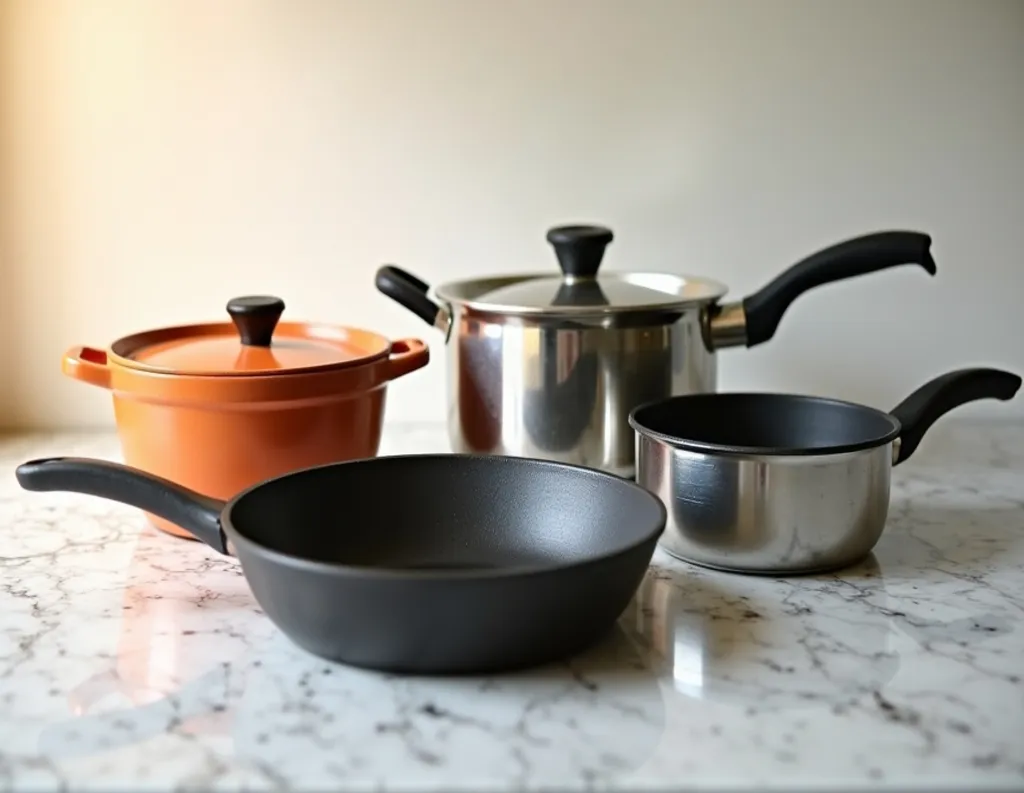
Quick Summary
Health & Sattvic Rationale
How to Choose (Checklist)
When selecting cookware for high-prana meals, check for:
Starter Kits (Good–Better–Best)
Explore More Sattvic Food Wisdom & Holistic Lifestyle Tips
Discover more nourishing recipes in our Sattvic Food section section or dive deeper into mindful living with our Yoga & Meditation practices. These paths together support a sattvic lifestyle rooted in balance, clarity, and wellness.
📰 More insights on Sattvic Food
Discover blog posts, importance, recipes of Sattvic food
-
Digital Overstimulation & the Sattvic Mind
Notifications. Endless tabs. Scrolling without stopping. Our energy is scattered, our minds overstimulated
-
What Gita Says About Love & Attachment
he Bhagavad Gita teaches a higher way:
Detachment that frees love, not kills it. Let’s explore how to cultivate deep connection -
What Is Minimalist Living in Spirituality?
Spiritual minimalism isn’t about owning less, but clinging less. Let’s rediscover what saints knew: simplicity is powerful.